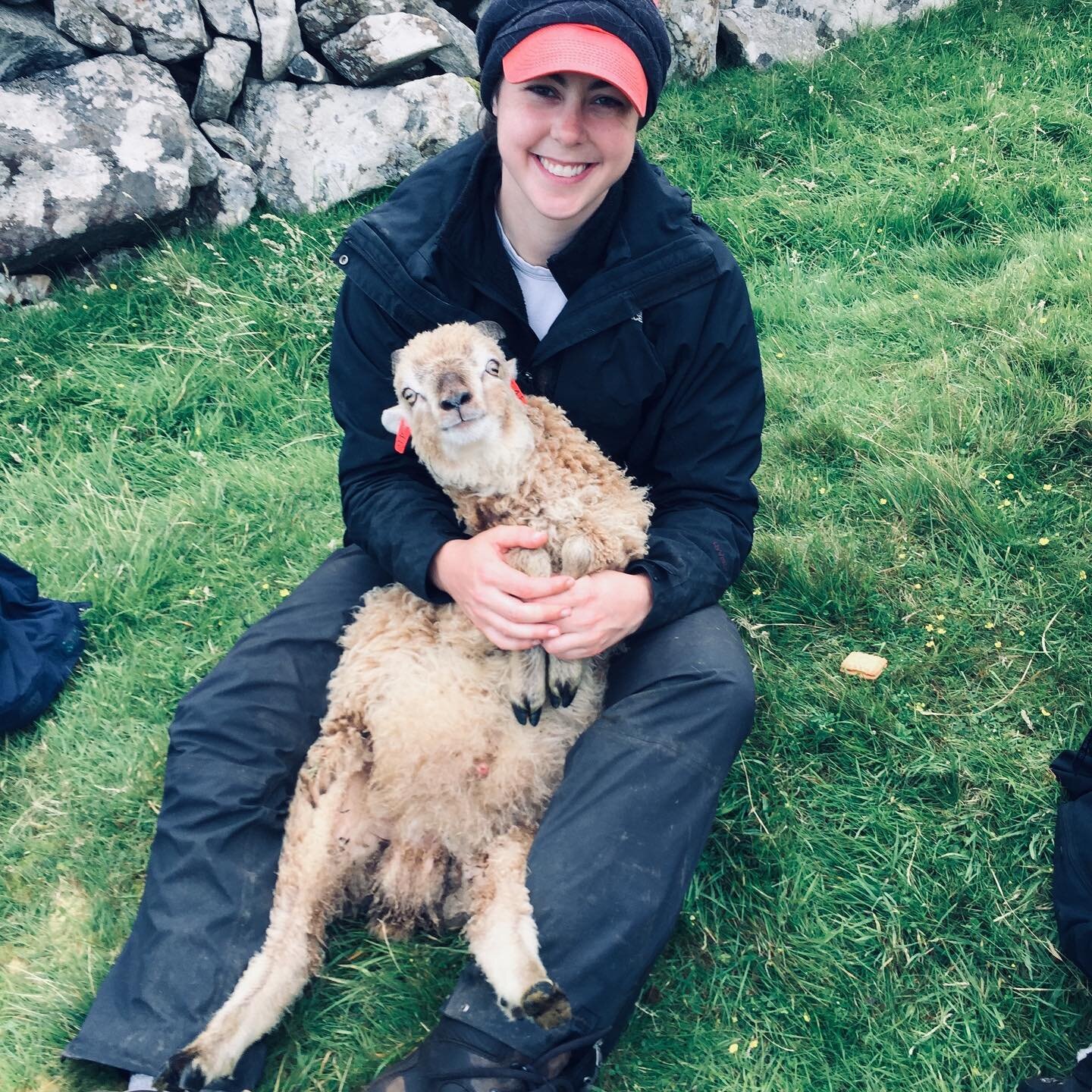
About me
I am an ecologist interested in within-host communities of wildlife and how these community dynamics influence the fitness of their hosts. I am currently a Royal Society University Research Fellow at the University of Edinburgh. My group focuses on gut microbiomes of wild animals in the context of global change.
Thanks for visiting! You can find more information on my ongoing research projects below and on my research page, and more information on where I’ve been in my CV.
Research Overview

Drivers & consequences of parasite co-infections in wild animals
Co-infection is the norm in wild populations. Interactions among parasites can have dramatic impacts on host and parasite fitness and infection dynamics. In all areas of my research, I am interested in the ecological context likely to facilitate co-infections and in understanding what the outcome will be for the host. As environmental change accelerates understanding and predicting how entire parasite assemblages will response becomes more crucial.
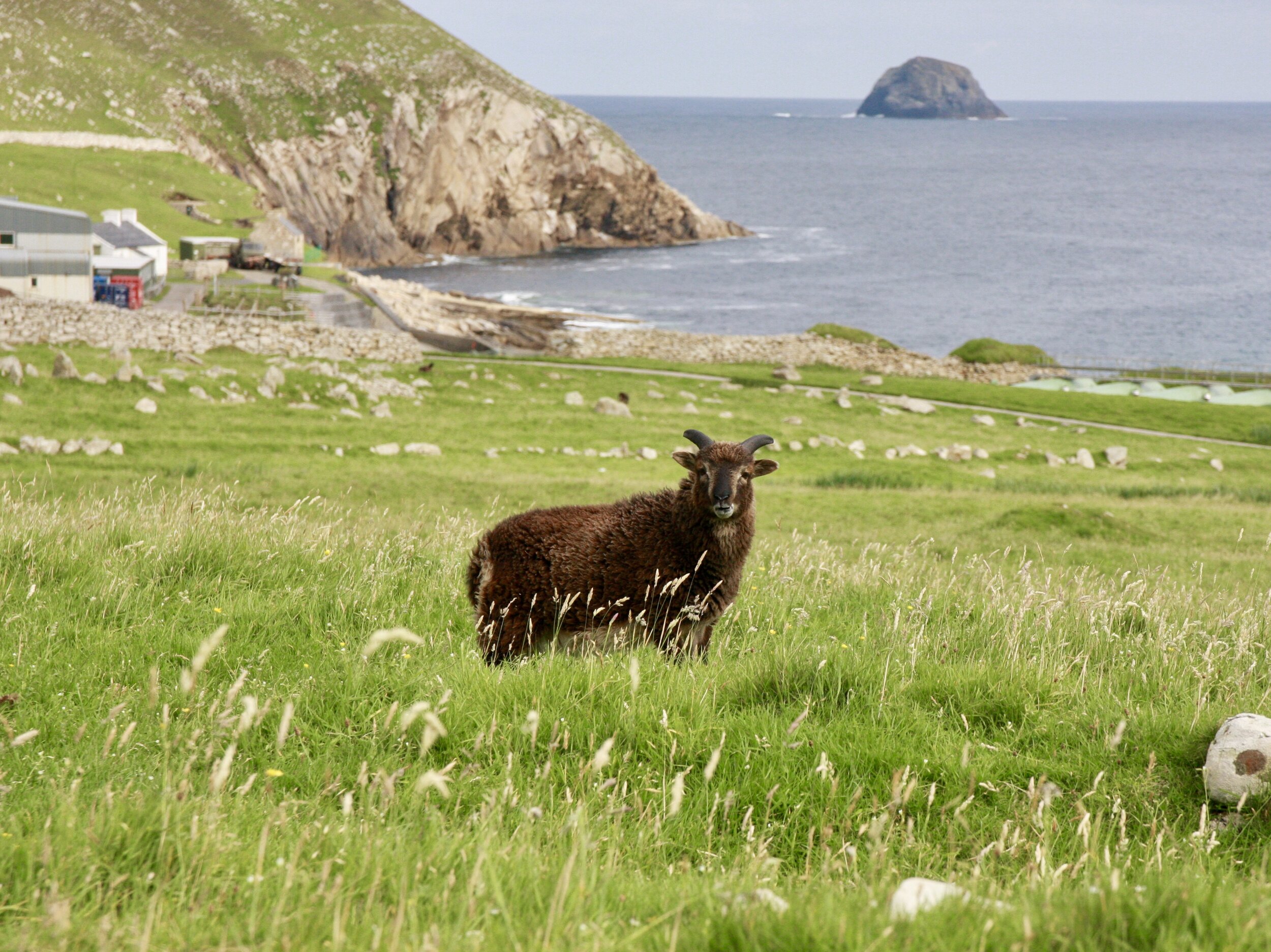
gut ecosystem dynamics and host fitness in soay sheep of st kilda
Factors from the environment and host can shape the complex communities of microbiota and parasites in mammalian guts. These gut ecosystems can have important consequences for host fitness. In my current role as a postdoctoral research associate I am working with the Soay Sheep Project to investigate determinants and consequences of microbiota community composition.

Nutrition quality and host-parasite dynamics in wild wood mice
Good nutrition is vital to organisms’ health. Resources therefore play a key role in natural populations, but mechanism can be difficult to untangle in the wild. For my PhD I worked with Amy Pedersen & Simon Babayan and carried out experimental diet supplementation in wild wood mouse populations in Scotland and monitored impacts on host parasite infection, condition, and demography.

spatiotemporal variation in factors driving parasitism
Factors from the environment, host, and even within-host level can have strong influences on parasitism. However, these factors are highly dynamic, and confounded by others across ecological scales. In collaboration with Amy Pedersen & Andy Fenton, I have been exploring the variation in the key drivers of helminth infection across space and time using historical data from long-term trapping of wild wood mouse populations.
On Twitter
Need any more information?
Curriculum Vitae
—
Contact Info